September 2025 Newsletter
September 1, 2025

Cold Weather Tips
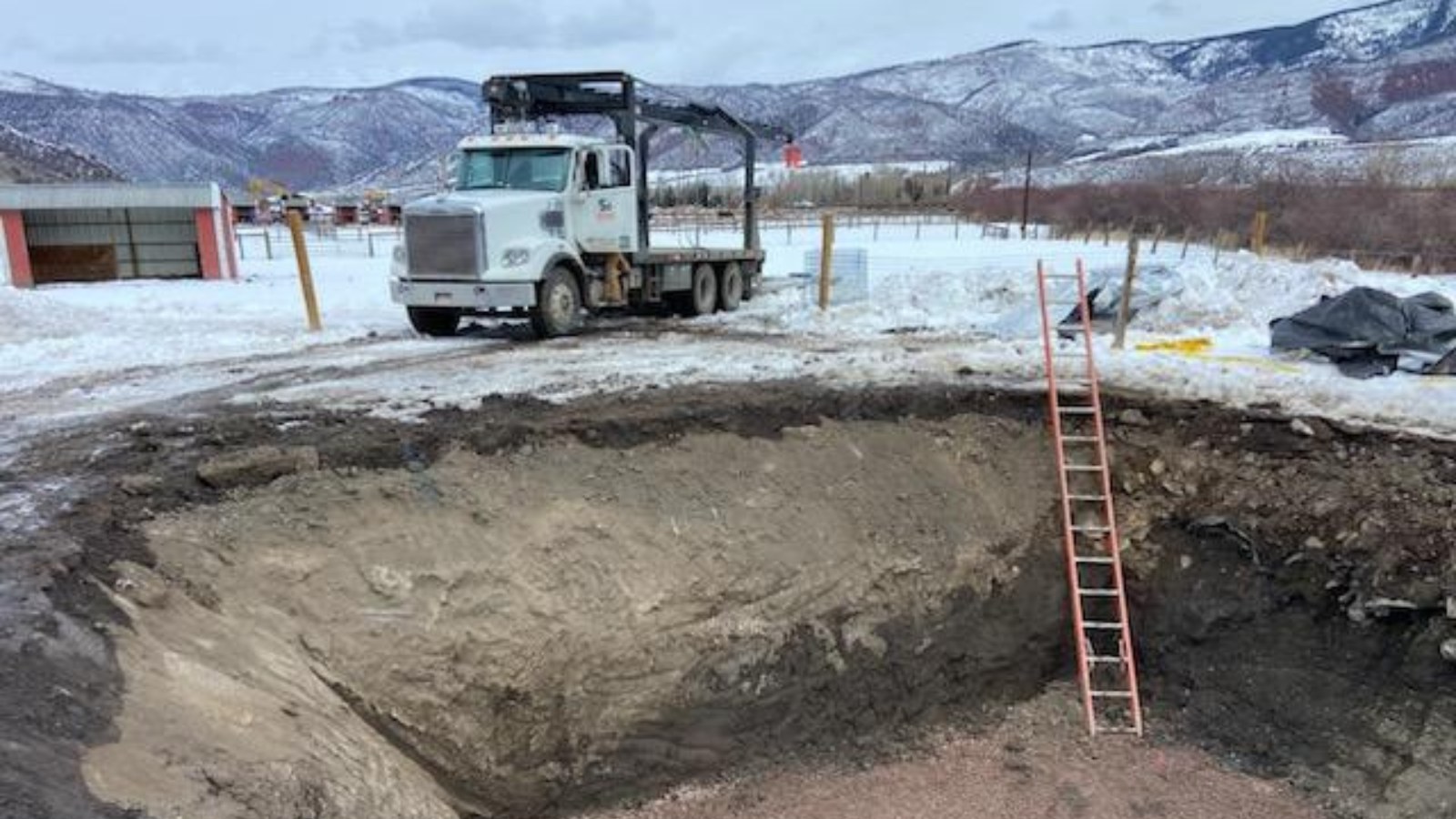
The Service Department at Valley Precast finds itself in circumstances that can be better managed with the help of the Contractors we work with throughout Colorado. As you are all aware, the septic systems we deliver and are installed by a wide variety of homeowners and contractors require some considerations during the install that in the end, will deliver a stable septic platform that will function without concern regardless of the time of year. The Pro Tip this month is based on considerations needed for the colder months when freezing tanks and lines are more likely between November and March.
The installation of the transport line between the septic tank and the STA (Soil Treatment Area) is critical. Low spots or bellies in this line create a space for water to settle and freeze. Be sure that the soil that supports the transport line is compacted and will not sag or develop a belly when buried.
If you are not regularly using your system during the winter months, one suggestion is to put a trough heater in the primary settling compartment of the tank. A 1000-1500 watt trough heater can be purchased online. By floating this heater in the primary compartment and plugging it in the fall you can help maintain the temperature so that the tank itself is less likely to freeze. Simply drop it in, bring the cord up the inside of the PVC riser, cut a notch deep enough in the riser to bring the cord up without pinching it with the lid and put the lid back in place. Most heaters have a built in thermostat that will regulate the temperature. This unit can be plugged into a extension cord and used just before cold weather really kicks in.
Last, insulate the cleanout between the house and septic tank as well as the lids. The cleanout can be covered with home insulation and duct taped in place. This portion of PVC plumbing is above grade and has no barrier from the cold. Doing this will stop cold air from traveling through the plumbing to the 4 inch line. Use hay bales or blueboard to increase the insulation at the tank lids. This addition will help maintain the internal temperature and decrease the likelihood of a frozen tank.
Just a little additional work during installation and fall can go a long way to keep these systems functioning year-round.